Tiny Chess
Tiny Chess
Game overview (Axis The Game)
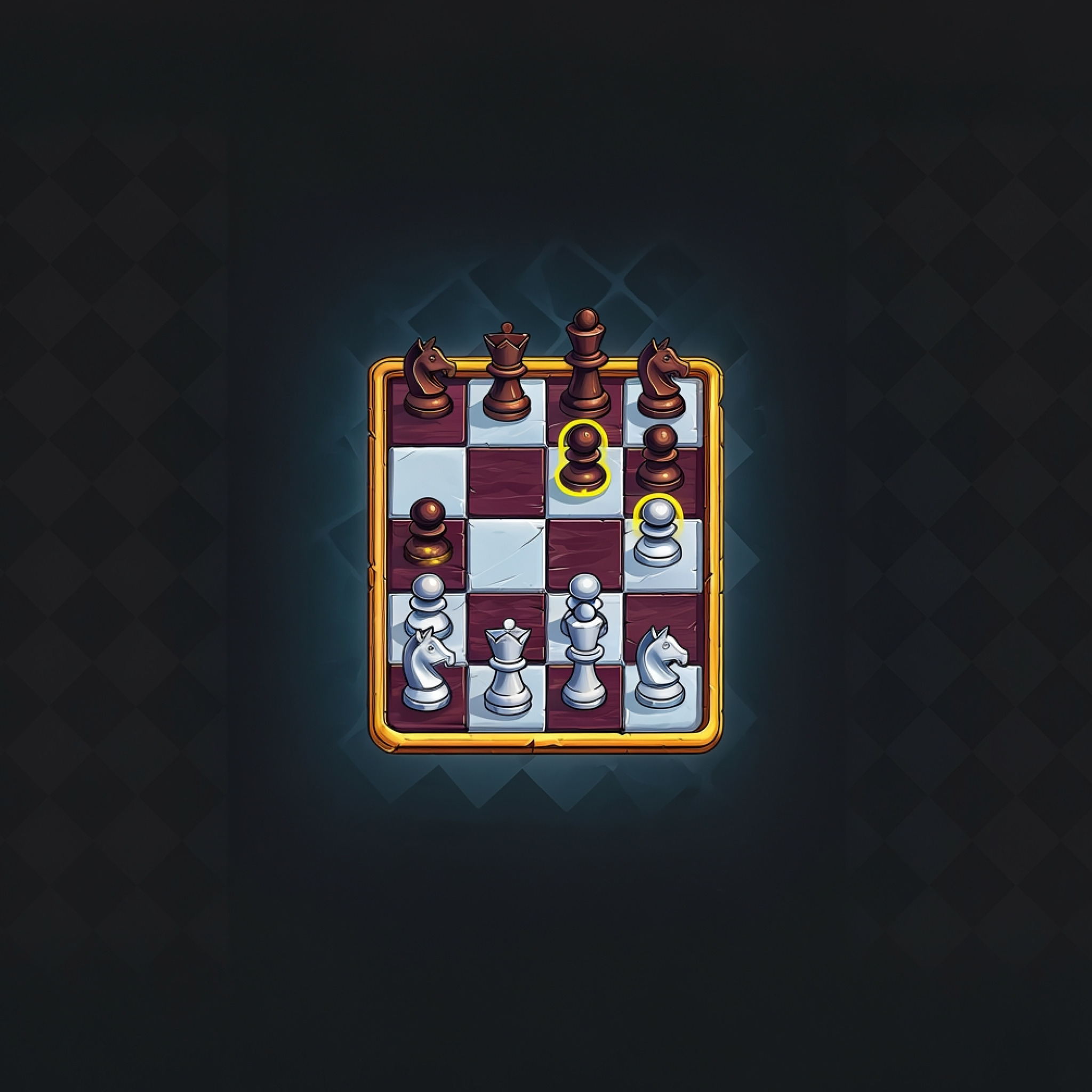
Tiny Chess is an engaging and accessible board game that distills the strategic depth of traditional chess into a more compact and faster-paced experience. This innovative mini-chess game features just 16 pieces on the board, offering a fresh take on the classic battle of wits. Players can enjoy this captivating strategic challenge for free directly in their browser right here at axisthegame.com, designed specifically for desktop play.
What is Tiny Chess? – Complete Game Overview
Tiny Chess presents a delightful and streamlined version of the world’s most beloved board game. It captures the essence of chess strategy and tactics but simplifies the setup by reducing the total number of pieces from 32 to 16. This reduction in complexity makes the game incredibly approachable for newcomers while still providing ample strategic depth for seasoned chess enthusiasts looking for a quicker match.
The core objective remains the same: skillfully maneuver your pieces to checkmate your opponent’s king. However, with fewer pieces, each move becomes even more critical, and the game unfolds with greater speed and intensity. Tiny Chess allows players to adjust the level of difficulty, ensuring a suitable challenge for everyone, from absolute beginners to advanced strategists. It also offers a fantastic two-player mode, perfect for friendly competition.
This unique adaptation isn’t just about simplification; it’s about re-imagining the chess experience. The game challenges players to think differently, leveraging the limited board space and fewer pieces to create new tactical opportunities. Whether you prefer to hone your skills against a clever AI or engage in a head-to-head battle with a friend, Tiny Chess delivers a fulfilling and intellectually stimulating gaming experience. Its intuitive design ensures that anyone can quickly grasp the rules and begin playing almost immediately.
Tiny Chess provides a fresh perspective on a timeless classic. It retains the fundamental rules of piece movement and capture but forces players to adapt their strategies to a more condensed battlefield. This results in games that are often decided swiftly, keeping the engagement high and the downtime low. The game’s charm lies in its ability to offer deep strategic play within a minimalist framework, making every decision impactful and every victory satisfying.
How to Play Tiny Chess – Step-by-Step Guide
Getting Started with Tiny Chess
Beginning your journey into the world of Tiny Chess is remarkably straightforward. First, simply navigate to the game page on Axis The Game. Once the game loads in your browser, you’ll be presented with the main menu. Here, you can choose between playing against the computer, adjusting the difficulty settings, or initiating a two-player match with a friend. The intuitive interface ensures you’ll be ready to make your first move in no time.
Before diving into a match, it’s a good idea to familiarize yourself with the board layout and the pieces. Even though Tiny Chess uses fewer pieces, their movements are identical to standard chess. The primary goal is to protect your king while strategically attacking your opponent’s king. Take a moment to observe the initial setup, noting the positions of pawns, rooks, knights, bishops, queen, and king. This brief orientation will significantly enhance your early game performance.
Basic Controls and Gameplay
Playing Tiny Chess is incredibly simple, relying primarily on your mouse for all interactions. To move a piece, simply click on the piece you wish to move. The game will then highlight all possible squares where that piece can legally move, making it easy to visualize your options. Next, click on the desired destination square, and your piece will automatically relocate. Capturing an opponent’s piece follows the same process: move your piece to a square occupied by an enemy piece.
The controls are designed for maximum accessibility, making Tiny Chess an excellent choice for players of all ages and experience levels. Utilizing a keyboard for certain functions might also be possible, depending on specific game implementations, but the mouse-centric control scheme ensures smooth and responsive gameplay. Remember that each piece has a unique movement pattern, which is fundamental to understanding strategy. Practice these movements by playing a few easy-difficulty games against the computer to get a feel for the game.
Advanced Tiny Chess Techniques
While Tiny Chess simplifies the board, it doesn’t diminish the need for advanced strategic thinking. Mastering the game involves understanding not just individual piece movements, but also how they interact to create powerful combinations. Focus on controlling the center of the board early on, as this often grants more mobility to your pieces. Developing your pieces efficiently, bringing knights and bishops into active play, is crucial for gaining an advantage.
Consider employing tactics like forks, where one piece attacks two of your opponent’s pieces simultaneously, or pins, where an opponent’s piece cannot move without exposing a more valuable piece behind it. Learning to anticipate your opponent’s moves and planning several steps ahead will elevate your play in Tiny Chess significantly. Don’t forget the importance of king safety; never leave your king vulnerable to direct attack. Effective piece sacrifice and tactical exchanges can also turn the tide in your favor.
Another advanced technique in Tiny Chess involves understanding the dynamics of the endgame. With fewer pieces on the board, the value of each remaining piece increases dramatically. Converting a material advantage into a checkmate requires precision and careful calculation. Learn basic checkmating patterns with a king and rook, or a king and queen, as these often appear in the later stages of the game. Practicing these scenarios will make you a formidable opponent.
Studying common opening sequences, even simplified versions for the 16-piece setup, can give you a significant edge. Knowing how to efficiently develop your pieces and create an early threat can put your opponent on the defensive from the start. Conversely, recognizing your opponent’s opening strategy allows you to counter it effectively. The “Tiny Chess game” encourages creative problem-solving and adaptable strategy, making it a continuously rewarding intellectual challenge.
Tiny Chess Game Features and Highlights
Tiny Chess is packed with features designed to enhance your gaming experience, making it much more than just a simplified chess game. These functionalities cater to a wide range of players, from those seeking a quick, casual match to others looking for a more competitive and customizable encounter. The thoughtful design ensures that every session of Tiny Chess is enjoyable and engaging, offering depth within its minimalist framework.
- Adjustable Difficulty: Tailor the AI’s skill level to match your own, ensuring a challenging yet fair game every time.
- Two-Player Mode: Engage in head-to-head battles with a friend, perfect for local multiplayer fun.
- Multiple Board Controls: Experience flexible interaction methods, primarily mouse-driven, for seamless piece manipulation.
- AI Observation Mode: Watch the computer play against itself, learning new strategies and tactical approaches.
- Full-Screen Play: Immerse yourself completely in the game with a distraction-free, expanded view.
The adjustable difficulty in Tiny Chess is a standout feature, allowing players to fine-tune their challenge. Whether you’re a complete novice learning the ropes or an experienced player looking to test advanced strategies, you can find a setting that suits your skill level. This adaptability ensures continuous engagement and provides a clear path for skill improvement, as you can gradually increase the difficulty as your proficiency grows in the “Tiny Chess game.”
The inclusion of a robust two-player mode transforms Tiny Chess into an excellent social gaming option. Gather a friend or family member and engage in a classic battle of wits on the same device. This direct competition adds an extra layer of excitement and personal challenge, making each victory all the more satisfying. It’s a perfect way to spend quality time, fostering strategic thinking and friendly rivalry.
Beyond competitive play, the AI observation mode offers a unique learning opportunity. By watching the computer play against itself, you can gain insights into effective openings, mid-game tactics, and endgame techniques without the pressure of direct competition. This passive learning can be incredibly beneficial for developing your own strategies and understanding the nuances of the 16-piece setup. It’s like having a silent mentor guiding your journey to becoming a “Tiny Chess” master.
Furthermore, the full-screen mode significantly enhances immersion, allowing you to focus solely on the board and your strategic decisions. Eliminating desktop distractions creates a more intense and engaging experience, helping you concentrate on the intricate puzzles that Tiny Chess presents. This feature, combined with the game’s browser-based accessibility, makes it a convenient and compelling choice for quick but deep strategic gaming sessions at any time.
The flexibility in board controls, primarily optimized for keyboard and mouse, ensures precise and comfortable interaction. Players can execute their moves with accuracy, which is paramount in a game of strategy like chess. This focus on user-friendly controls underscores the game’s commitment to providing a smooth and enjoyable experience for all players who choose to “play Tiny Chess” on our platform.
Why Players Keep Coming Back to Tiny Chess
Players are continually drawn back to Tiny Chess for its unique blend of accessibility, strategic depth, and quick gameplay loops. Its reduced piece count dramatically lowers the barrier to entry for new players who might find traditional chess overwhelming. Yet, it retains enough complexity to keep veteran strategists engaged, offering a fresh puzzle to solve with each game. This balance makes it a perfect game for both quick mental breaks and dedicated strategic sessions.
The satisfaction derived from a well-executed plan or a clever tactical maneuver is immense, regardless of the board size. Tiny Chess amplifies this feeling by making every move feel more impactful due to the fewer pieces. The shorter game times mean players can fit multiple matches into a lunch break or a brief moment of downtime, providing immediate gratification and a constant sense of progress without requiring a huge time commitment.
Tiny Chess also appeals to a broad audience because it cultivates critical thinking and problem-solving skills in an enjoyable format. It’s a mental workout that doesn’t feel like work, helping players improve their focus, foresight, and decision-making abilities. The ability to play against an AI of varying difficulties means there’s always a new challenge waiting, encouraging continuous learning and refinement of one’s game. This consistent challenge is a key factor in its high replayability.
Moreover, the game’s design encourages creative strategic approaches. With fewer pieces, standard chess openings and endgames might not apply directly, pushing players to innovate and discover new patterns. This creative aspect, combined with the option to play with friends, fosters a sense of community and friendly competition. The sheer fun of outsmarting an opponent, whether AI or human, is a powerful motivator for players to return to the captivating world of Tiny Chess.
Pro Tips and Strategies for Tiny Chess
Beginner Tips
For those just starting with Tiny Chess, focus on the fundamentals. First, understand how each piece moves and captures. Practice moving your pawns to control the center, and develop your knights and bishops early. Don’t bring your queen out too early, as it can become a target. Prioritize king safety by castling (if applicable in specific Tiny Chess variants) or moving your king to a secure position behind pawns. Always look for simple threats and check your own pieces for vulnerability before making a move. A solid defense is the foundation of good offense.
Remember that in Tiny Chess, every piece holds significant value due to the reduced count. Avoid unnecessary sacrifices and try to capture opponent pieces whenever possible, but only if it doesn’t expose your king or other vital pieces. Focus on maintaining a material advantage. Play at the easiest difficulty setting against the computer until you feel comfortable with basic tactics and piece movements. This will build your confidence and understanding of the game’s flow.
Intermediate Strategies
Once you’ve mastered the basics, intermediate strategies in Tiny Chess involve more complex tactical thinking. Start by developing a clear plan for your opening, aiming to control key squares and develop your pieces efficiently. Look for opportunities to create forks, pins, and skewers. These tactical motifs can quickly lead to material gains or significant positional advantages. Always consider your opponent’s potential replies to your moves.
Pay close attention to the board state and try to anticipate moves. A good intermediate player thinks two or three moves ahead, not just one. Understanding the concept of a “threat” and how to respond to it is crucial. Don’t be afraid to exchange pieces if it improves your position or leads to a favorable trade. Furthermore, focus on pawn structure; well-placed pawns can create strong defenses and control vital areas of the board in the “Tiny Chess game.”
Expert Tiny Chess Secrets
Becoming an expert in Tiny Chess requires deep positional understanding and precise calculation. Experts meticulously analyze every move, considering its long-term implications. They master complex tactical sequences, often sacrificing material for a decisive attack or a winning endgame. Controlling open files with rooks, creating strong outposts for knights, and exploiting weaknesses in the opponent’s pawn structure are hallmarks of advanced play.
Endgame proficiency is paramount in Tiny Chess. With fewer pieces, precise technique is often required to convert advantages into a checkmate. Learn common checkmating patterns with minimal pieces, such as king and queen vs. king. Experts also excel at anticipating their opponent’s strategy, often setting up traps several moves in advance. They understand that every tempo counts and can turn a seemingly equal position into a winning one with a single accurate move. Practice against the toughest AI to truly refine your “play Tiny Chess” skills.
Tiny Chess vs Other Similar Games
While the market offers numerous chess variants and board games, Tiny Chess carves out its niche by offering a uniquely streamlined yet engaging experience. Unlike traditional chess, which can feel daunting with its 32 pieces and vast opening theory, Tiny Chess immediately reduces the cognitive load. This makes it far more accessible for casual players or those new to strategy games, while still providing a solid foundation for strategic thinking that can be transferred to more complex titles.
Compared to other chess-inspired games, such as Totally Spies: Spy Chess or Shredder Chess which often add thematic elements or advanced AI, Tiny Chess prioritizes core gameplay with a smaller footprint. Its simplicity is its strength, allowing players to focus purely on the fundamental strategic interactions without being overwhelmed by excessive pieces or intricate rulesets. This focused approach makes each game a concentrated burst of tactical challenges.
Moreover, when stacked against other popular strategy games available on axisthegame.com like Xiangqi (Chinese chess) or Chess Move 2, Tiny Chess stands out due to its immediate familiarity. Most people understand the basic rules of chess, and Tiny Chess simply modifies the setup rather than introducing entirely new piece movements or board configurations. This preserves the core appeal of chess while making it faster and more dynamic, perfect for modern browser-based gaming.
The “Tiny Chess game” also distinguishes itself from other casual logic puzzles or board games you might find in our Casual games section. While titles like Cut & Drop or Airport Manager offer different forms of mental engagement, Tiny Chess provides a direct, confrontational strategic challenge rooted in a globally recognized classic. It’s a game where every move matters intensely, offering a highly satisfying intellectual workout that few other casual games can match.
For those who enjoy brain-teasing challenges but are short on time, Tiny Chess offers a compelling alternative to more extensive strategy titles like Little Dental Dash. It delivers a complete chess experience in a condensed format, proving that less can indeed be more when it comes to engaging gameplay. This focus on efficient, high-impact play is a key reason for its enduring popularity among players seeking quick yet profound strategic encounters.
Technical Requirements for Tiny Chess
One of the significant advantages of Tiny Chess is its minimal technical footprint, ensuring wide accessibility for nearly all desktop users. This browser-based game requires no downloads or installations, meaning you can jump straight into a match without any setup hurdles. Simply open your preferred web browser, navigate to the game page on axisthegame.com, and begin playing instantly. This ease of access is a cornerstone of its design.
Tiny Chess is specifically designed for desktop play, offering the best experience on computers using a keyboard or mouse. While it might technically load on some mobile devices, the controls and interface are optimized for larger screens and precise cursor input, making desktop the recommended platform. It runs smoothly on modern web browsers such as Chrome, Firefox, Edge, and Safari, provided they are up-to-date.
The game requires a stable internet connection to load initially, but once loaded, the gameplay itself is very lightweight, meaning it won’t strain your computer’s resources. You don’t need a high-end gaming PC; any standard desktop or laptop with a working internet connection will suffice. This low barrier to entry ensures that virtually anyone with a computer can enjoy a stimulating game of “Tiny Chess online” at their convenience.
Furthermore, because Tiny Chess operates directly within your browser, you don’t have to worry about compatibility issues with operating systems. Whether you’re running Windows, macOS, or Linux, as long as you have a modern web browser, you’re good to go. This universal accessibility, coupled with its free-to-play nature, makes Tiny Chess an incredibly convenient and user-friendly choice for a quick strategic game.
Frequently Asked Questions About Tiny Chess
Is Tiny Chess Free to Play?
Yes! Tiny Chess is completely free to play on axisthegame.com. No downloads, no registration, no hidden costs. Players can enjoy unlimited games against the AI or a friend without spending a single penny. Our commitment is to provide accessible, high-quality browser games for everyone to enjoy, and Tiny Chess is a prime example of this mission.
Can I Play Tiny Chess on Mobile?
While Tiny Chess might technically load on some mobile browsers, it is primarily designed and optimized for desktop play. The controls, which rely on precise mouse clicks and a larger screen for optimal visibility, are best experienced on a computer. For the most enjoyable and immersive “Tiny Chess online” experience, we highly recommend playing on a desktop or laptop with a keyboard and mouse. This ensures smooth piece movement and accurate selections.
Is Tiny Chess Suitable for Casual Play?
Absolutely! Tiny Chess is perfectly suited for casual play. Its reduced piece count leads to faster games, making it ideal for quick breaks or when you have limited time. The adjustable difficulty levels mean you can always find a challenge that matches your mood, whether you want a relaxed game or a more intense strategic battle. It offers all the intellectual stimulation of chess without the lengthy time commitment.
What are the Key Differences from Standard Chess?
The primary difference in Tiny Chess compared to standard chess is the number of pieces. Instead of 32 pieces, there are only 16 on the board, eight for each player. This reduced count simplifies the opening phase and often leads to quicker, more tactical games. The board size and piece movements generally remain the same, but the strategic landscape is condensed, requiring players to adapt their usual chess strategies to a smaller battleground.
How Do the Difficulty Levels Work in Tiny Chess?
Tiny Chess features adjustable difficulty settings for its AI opponent. These settings control the complexity and depth of the computer’s strategic calculations. On easier levels, the AI might make more obvious mistakes or overlook threats, providing a gentle learning curve for beginners. As you increase the difficulty, the AI’s moves become more sophisticated, tactical, and challenging, offering a robust test for even experienced players. This flexibility ensures a tailored experience for every skill level.
Can I Learn Chess by Playing Tiny Chess?
Yes, Tiny Chess can be an excellent stepping stone for learning the fundamentals of chess. It teaches you basic piece movements, fundamental tactics like forks and pins, and the ultimate goal of checkmating the king, all in a less intimidating environment. While it simplifies the game, the core principles of strategy and decision-making are still very much present. Mastering “Tiny Chess” can provide a solid foundation before you delve into the complexities of traditional chess, making it a valuable educational tool.
Is There an Online Multiplayer Mode for Tiny Chess?
Tiny Chess primarily supports local multiplayer for two players on the same device, allowing friends to play together directly. While it doesn’t feature a real-time online multiplayer mode against remote opponents, the robust single-player AI and the enjoyable local two-player option provide ample opportunities for engaging gameplay. The focus is on accessible, instant play without the need for complex online matchmaking systems, perfect for a quick game of “Tiny Chess online” against the computer.
Start Playing Tiny Chess Now!
Are you ready to test your strategic prowess and dive into a world of compact tactical challenges? Tiny Chess offers an exhilarating take on the classic game, perfect for both quick mental workouts and focused strategic battles. Its intuitive design and adjustable difficulty levels ensure that every player, from novice to expert, will find immense enjoyment and a suitable challenge. Don’t miss out on this captivating browser game experience.
Head over to axisthegame.com right now and immerse yourself in the fast-paced, strategic fun of Tiny Chess! Experience the thrill of outmaneuvering your opponent, plan your moves, and celebrate triumphant checkmates. Whether you’re looking for a solo challenge against our smart AI or a competitive match with a friend, Tiny Chess is waiting for you. Play Tiny Chess for free, directly in your browser, and discover your next favorite strategic game!
How to play on axisthegame.com
Use your mouse, keyboard, or touch controls—each HTML5 title includes its own on-screen prompts.


Loading comments from axisthegame.com…